 Sprache
 English
 français
 Deutsch
 русский
 español
 português


Wonach suchst du?
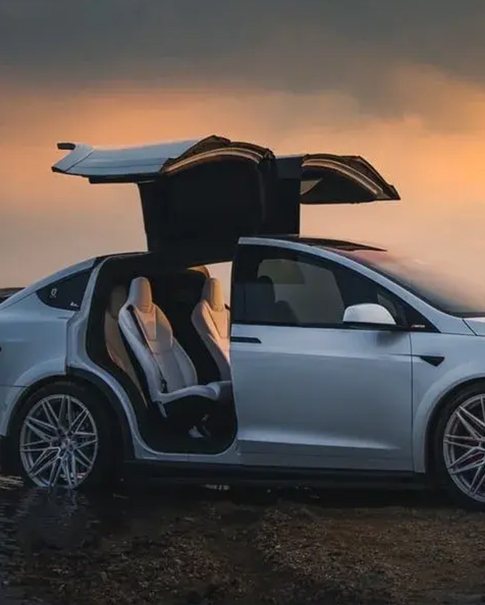
In der modernen Automobilindustrie ist es üblich, dass verschiedene Automarken identische Bauteile gemeinsam nutzen, von kleinen Schrauben und Filtern bis hin zu ... Motor S, Getriebe es und elektronisches System Dieses Phänomen ist kein Zufall, sondern eine rationale Entscheidung, die durch industrielle Logik, Kostenkontrolle, technologischen Fortschritt und die Integration der Lieferkette bedingt ist. Im Folgenden wird detailliert erläutert, warum verschiedene Automarken dieselben Teile verwenden können.
Erstens, Plattformnutzung innerhalb von Automobilgruppen Der direkteste Grund ist folgender: Große globale Automobilhersteller besitzen in der Regel mehrere Marken, um verschiedene Marktsegmente abzudecken. So gehören beispielsweise zum Volkswagen-Konzern Volkswagen, Audi, Škoda und Porsche; BMW hat Mini und Rolls-Royce; Geely besitzt Volvo, Lynk & Co und Polestar. Diese Marken haben zwar unterschiedliche Positionierungen und Preisstrukturen, nutzen aber oft dieselbe Fahrzeugplattform. Eine Plattform umfasst eine einheitliche Chassisstruktur, einen einheitlichen Radstand, eine einheitliche Fahrwerkskonstruktion und einen einheitlichen Platz für die Antriebstechnik. Auf derselben Plattform können Modelle verschiedener Marken denselben Motor, dasselbe Getriebe, dieselben Fahrwerkskomponenten und dieselbe Elektronikarchitektur verwenden. Dieses Modell reduziert die Investitionen in Forschung und Entwicklung erheblich. Die Entwicklung einer neuen Plattform kostet Milliarden von Dollar, und die gemeinsame Nutzung durch mehrere Marken kann die Kosten senken und die Effizienz steigern.
Zweitens, die hohen Kosten unabhängiger Forschung und Entwicklung sowie der Produktion Die gemeinsame Nutzung von Teilen macht dies unumgänglich. Die Entwicklung, Erprobung und Produktion eines speziellen Autoteils erfordert einen hohen Aufwand an Personal, Material und Zeit. Jedes Teil muss strenge Sicherheits-, Haltbarkeits- und Umweltverträglichkeitstests bestehen. Würde jede Marke alle Teile unabhängig entwickeln, verlängerte sich der Entwicklungszyklus erheblich, und der Endpreis des Fahrzeugs wäre für die Verbraucher zu hoch. Die Verwendung bewährter, gemeinsam genutzter Teile verkürzt nicht nur den Entwicklungszyklus, sondern gewährleistet auch Stabilität. Bewährte Teile wurden in einer Vielzahl von Modellen getestet und zeichnen sich durch höhere Zuverlässigkeit und geringere Ausfallraten aus, was sowohl für Automobilhersteller als auch für Fahrzeughalter von Vorteil ist.
Drittens, die Spezialisierung der Autoteile-Lieferkette Dies ermöglicht es verschiedenen Marken, dieselben Teile zu verwenden. Tatsächlich sind die meisten Automobilhersteller lediglich für das Gesamtdesign, die Montage und das Markenmanagement verantwortlich und produzieren nicht alle Teile selbst. Die Automobilindustrie hat ein vollständig spezialisiertes Zuliefersystem entwickelt. Weltweit gibt es viele große Tier-1-Zulieferer wie Bosch, ZF, Denso, Continental und Magna. Diese Zulieferer liefern Kernkomponenten an zahlreiche Automobilmarken gleichzeitig. So finden sich beispielsweise Zündspulen, Sensoren und Bremssysteme von Bosch in Fahrzeugen deutscher, japanischer, amerikanischer und chinesischer Marken. Getriebe von ZF werden von BMW, Audi, Jaguar und anderen Marken verwendet. Spezialisierte Zulieferer verfügen über größere Technologie- und Skalenvorteile, und ihre Produkte sind kostengünstiger als die von den Automobilherstellern selbst entwickelten.
Viertens, industrielle Standardisierung und Modularisierung Die Grundlage für die gemeinsame Nutzung von Teilen wurde geschaffen. Viele Basisteile wie Glühbirnen, Sicherungen, Lager, Filter, Batterien und Steckverbinder haben einheitliche internationale oder branchenspezifische Standards. Solange sie diese Standards erfüllen, können sie in verschiedenen Modellen austauschbar verwendet werden. Mit der Entwicklung des modularen Designs sind auch Teile wie Armaturenbretter, Klimaanlagen, Infotainmentsysteme und Fahrassistenzsysteme hochgradig universell geworden. Modulare Teile lassen sich flexibel an verschiedene Modelle anpassen, was die Produktion und Lagerhaltung vereinfacht. Für Automobilhersteller reduziert dies die Produktionskomplexität; für die Wartung vereinfacht es den Teileaustausch und senkt die Wartungskosten.
Endlich, Globalisierung und Emissionsvorschriften Die gemeinsame Nutzung von Bauteilen hat sich weiter beschleunigt. Weltweit steigen die Anforderungen an Kraftstoffverbrauch und Emissionen. Automobilhersteller müssen daher schnell effiziente und umweltfreundliche Antriebssysteme entwickeln. Die gemeinsame Nutzung von Motoren, Hybridsystemen und elektronischer Steuerungstechnik zwischen verschiedenen Marken kann die Verbreitung neuer Technologien beschleunigen und Automobilherstellern helfen, die gesetzlichen Vorgaben zu erfüllen. Gleichzeitig können globale Beschaffung und gemeinsame Produktion Logistik- und Fertigungskosten senken und die Wettbewerbsfähigkeit der Produkte auf dem Weltmarkt steigern.

BEREIT FÜR EIN ABO?
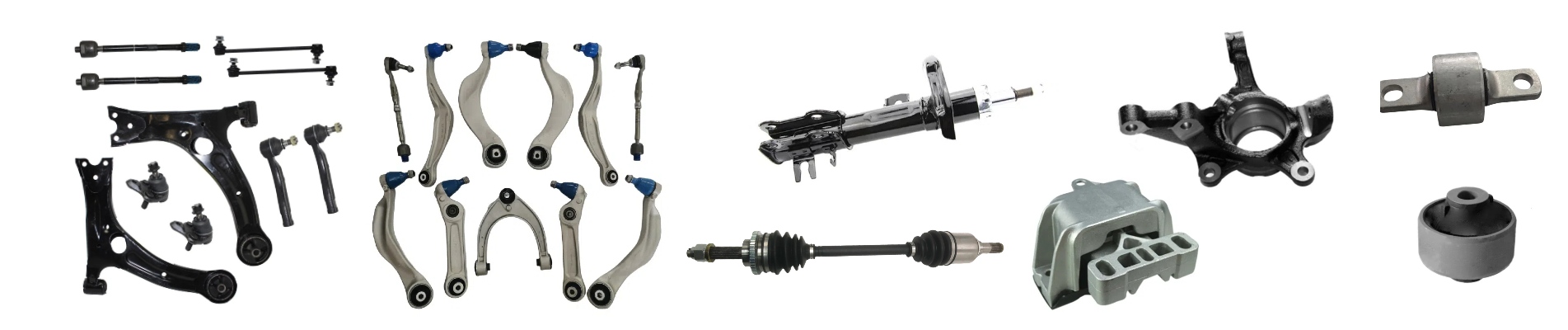
SMK Unternehmen s liefern Autoteile für unten Auto-Ersatzteile : Japanisches Auto: Toyota, Honda, Nissan, Mazda, Subaru, Mitsubishi, Suzuki, Isuzu ... Europäisches Auto: BMW, Benz, VW, Audi, Skoda, Porsche, Maserati, Renault, Peugeot , Citroen, Fiat, Opel, Land Rover ... Amerikanisches Auto: Tesla, Ford, Chrysler , Cadillac , Buick , GMC, Chevrolet, Lincoln, Fiat, Dodge, ... Koreanisches Auto: Hyundai, Kia, Daewoo ... Chinesische Autos: Chery, Geely, GreatWall, Haval, BYD, Changan, JAC ... Wir liefern Teile weltweit: USA, Kanada, Europa, Mexiko, Kolumbien, Korea ... Wir sind führender Lieferant für die folgenden Autoteile: Aufhängungs- und Lenkungsteile (Querlenker, Spurstange, Stabilisatorverbindung usw.) Tesla Aftermarket P Kunst. Motor M Montage/Übertragung M Menge SMK Auto Teile ist speziell für die Autoreparatur konzipiert Teile Unsere Fahrwerkskomponenten werden strengen Tests unterzogen, um den komplexen und wechselhaften Straßen- und Klimabedingungen problemlos standzuhalten. Die Produkte bieten nicht nur außergewöhnliche Haltbarkeit, sondern auch umfassende Kompatibilität und hervorragende Stabilität und gewährleisten so eine langfristige und zuverlässige Unterstützung Ihrer Fahrzeuge. Viele ausländische Kunden pflegen langjährige Partnerschaften mit uns. Dank unserer kontinuierlichen Kundengewinnung vertrauen uns viele ausländische Kunden die Produktion verschiedenster Autoteile an. Um den vielfältigen Kundenbedürfnissen gerecht zu werden, erweitern wir aktiv neue Produktlinien. Wir halten uns an hohe Fertigungsstandards und stellen sicher, dass jedes Produkt die strengen Sicherheits- und Haltbarkeitsanforderungen verschiedener Märkte erfüllt. Wir laden Kunden weltweit ein, sich für unsere Produkte zu entscheiden und so Ihren Fahrzeugen besseren Schutz und bessere Leistungssteigerungen zu bieten! SMK ist stets kundenorientiert, verbessert kontinuierlich die Produktqualität und das Serviceniveau und ist bestrebt, für globale Kunden einen Mehrwert zu schaffen. Auch in Zukunft werden wir dem Grundsatz „Qualität zuerst, Kunde zuerst“ folgen und Hand in Hand mit unseren Partnern zusammenarbeiten, um eine bessere Zukunft zu schaffen.
 IPv6-Netzwerk unterstützt