 Sprache
 English
 français
 Deutsch
 русский
 español
 português


Wonach suchst du?

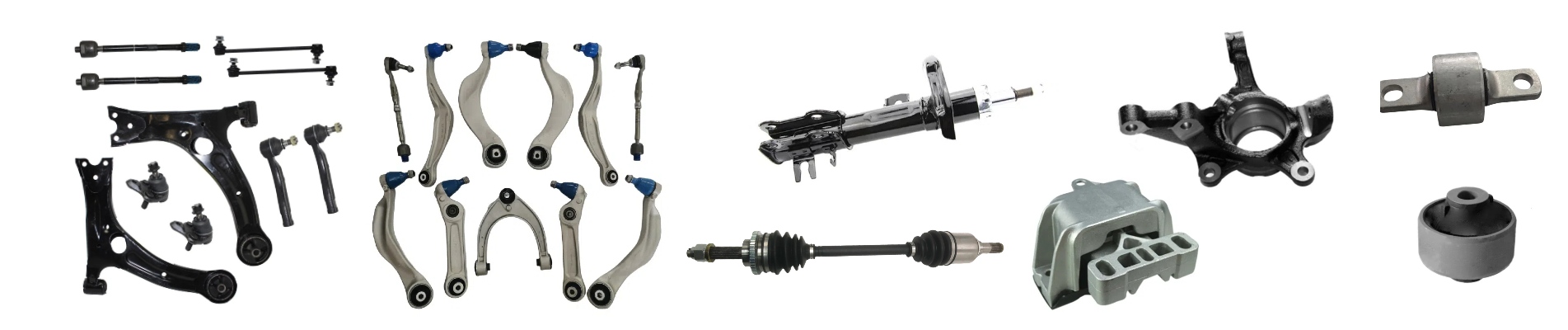
Das Federungssystem Ihres Autos ist der unbesungene Held jeder Fahrt. Es verbindet Ihr Fahrzeug mit der Straße, absorbiert Stöße, stabilisiert die Lenkung und sorgt für eine ruhige, sichere Fahrt. Es besteht aus Stoßdämpfern, Federbeinen, Querlenkern, Kugelgelenken und Aufhängungsfedern, diese Teile sind ständiger Belastung, Straßenschmutz und täglichem Verschleiß ausgesetzt.
Mit der Zeit verschleißen Komponenten der Federung und verlieren ihre Funktionalität. Das Fahren mit defekten Federungsteilen beeinträchtigt nicht nur Ihr Fahrerlebnis, sondern führt auch zu ungleichmäßigem Reifenverschleiß, schlechter Fahrkontrolle und sogar zu ernsthaften Sicherheitsrisiken. Damit Sie Probleme frühzeitig erkennen können, haben wir 10 häufige Warnzeichen zusammengestellt, die darauf hinweisen, dass die Federung Ihres Autos sofort überprüft und ersetzt werden muss.
Wenn Ihr Auto nach dem Überfahren von Geschwindigkeitsbegrenzungen, Schlaglöchern oder unebenen Straßen weiterhin mehrfach nachfedert, sind Ihre Stoßdämpfer oder Federbeine höchstwahrscheinlich abgenutzt. Intakte Federungsteile stoppen das Nachfedern sofort nach dem Aufprall. Anhaltendes Nachfedern bedeutet, dass die Federung Straßenvibrationen nicht mehr absorbieren kann, was auf defekte Dämpfer hinweist, die ersetzt werden müssen.
Falsch ausgerichtete und abgenutzte Federungsteile beeinträchtigen die Achsgeometrie Ihres Autos und führen dazu, dass die Reifen ungleichmäßig Kontakt zur Straße haben. Sie werden ungleichmäßigen Verschleiß, kahle Stellen oder übermäßigen Verschleiß an einer Seite der Reifen bemerken. Anders als normaler Reifenabrieb ist unregelmäßiger Reifenverschleiß ein klares Warnsignal für einen Ausfall der Federung, der nicht durch einfaches Reifentauschen behoben werden kann.
Wenn Ihr Fahrzeug auf flachen, geraden Straßen ständig nach links oder rechts abdriftet oder zieht, ohne dass Sie lenken, ist Ihr Federungssystem aus dem Gleichgewicht. Beschädigte Querlenker, abgenutzte Kugelgelenke oder gebrochene Aufhängungsfedern können eine ungleichmäßige Radposition verursachen, was zu schlechter Geradeausstabilität und unsicheren Fahrbedingungen führt.
Probleme mit der Federung wirken sich direkt auf die Lenkleistung aus. Abgenutzte Federungsbuchsen und Gelenke können die Lenkung zu locker und unpräzise machen, mit einer spürbaren Verzögerung beim Drehen des Lenkrads. In anderen Fällen können beschädigte Federungskomponenten dazu führen, dass die Lenkung schwergängig und schwer zu bedienen ist und zusätzlichen Kraftaufwand erfordert. Beide Fälle weisen auf alternde Federungsteile hin.
Wenn Sie auf holprigen Straßen seltsame Klopf-, Klapper- oder Quietschgeräusche von den Rädern oder dem Unterboden hören, sind Ihre Federungsteile locker oder abgenutzt. Beschädigte Kugelgelenke, abgenutzte Stabilisatorstreben und verschlissene Buchsen erzeugen ungewöhnliche Reibungs- und Aufprallgeräusche. Das Geräusch wird normalerweise lauter, je stärker der Verschleiß der Federung fortschreitet.
Überprüfen Sie die Fahrzeughöhe optisch, wenn Ihr Auto auf ebenem Boden steht. Wenn eine Ecke (vorne oder hinten) niedriger als die anderen sitzt, sind Ihre Aufhängungsfedern ermüdet oder gebrochen. Schwache Federn verlieren ihre Tragfähigkeit, wodurch eine ungleichmäßige Fahrzeughöhe entsteht. Dieses Problem beeinträchtigt den Fahrkomfort und die Bremsstabilität erheblich.
Eine intakte Federung stabilisiert die Fahrzeugposition beim Bremsen und Beschleunigen. Abgenutzte Stoßdämpfer und Federbeine können das Auto nicht mehr stabil halten, was zu deutlich erkennbarem Bremsnicken (die Fahrzeugfront senkt sich beim Bremsen stark ab) und Beschleunigungsknick (das Heck senkt sich beim Beschleunigen ab) führt. Übermäßige Karosseriebewegungen bestätigen defekte Federungsdämpfer.
Wenn Ihr Auto beim Abbiegen mit niedriger oder mittlerer Geschwindigkeit stark zu einer Seite neigt und sich instabil anfühlt, sind Ihr Stabilisator oder Ihre Federbeine abgenutzt. Starkes Karosseriewanken verringert die Haftung in Kurven, erhöht das Schleuderrisiko und beeinträchtigt die Fahrsicherheit erheblich.
Eine einfache Kontrolle des Unterbodens kann offensichtliche Probleme mit der Federung aufdecken. Achten Sie auf austretende Flüssigkeit an Stoßdämpfern und Federbeinen, gerissene oder gebrochene Federn, verrostete und verformte Querlenker sowie lockere Befestigungselemente. Jeder physische Schaden oder Flüssigkeitsaustritt bedeutet, dass die Teile ihre Funktionsfähigkeit verloren haben und ersetzt werden müssen.
Das offensichtlichste Zeichen ist eine raue, holprige Fahrt. Selbst auf glatten Straßen können Sie deutlich kleine Straßenvibrationen und Stöße spüren, die in den Innenraum übertragen werden. Wenn Federungsteile ihre Stoßdämpfungsfähigkeit verlieren, wird jede kleine Unebenheit der Straße verstärkt, wodurch tägliches Fahren ermüdend und unangenehm wird.
Viele Fahrer ignorieren kleinere Symptome der Federung, aber abgenutzte Federungsteile reparieren sich nicht von selbst. Ein verspäteter Austausch beschleunigt den Reifenverschleiß, beschädigt andere Fahrwerksteile und kann während der Fahrt sogar zu einem Lenkungsausfall führen. Eine rechtzeitige Überprüfung und der Austausch defekter Federungskomponenten gewährleisten präzises Handling, stabiles Bremsen und maximale Sicherheit auf der Straße.

BEREIT FÜR EIN ABO?
SMK Unternehmen s liefern Autoteile für unten Auto-Ersatzteile : Japanisches Auto: Toyota, Honda, Nissan, Mazda, Subaru, Mitsubishi, Suzuki, Isuzu ... Europäisches Auto: BMW, Benz, VW, Audi, Skoda, Porsche, Maserati, Renault, Peugeot , Citroen, Fiat, Opel, Land Rover ... Amerikanisches Auto: Tesla, Ford, Chrysler , Cadillac , Buick , GMC, Chevrolet, Lincoln, Fiat, Dodge, ... Koreanisches Auto: Hyundai, Kia, Daewoo ... Chinesische Autos: Chery, Geely, GreatWall, Haval, BYD, Changan, JAC ... Wir liefern Teile weltweit: USA, Kanada, Europa, Mexiko, Kolumbien, Korea ... Wir sind führender Lieferant für die folgenden Autoteile: Aufhängungs- und Lenkungsteile (Querlenker, Spurstange, Stabilisatorverbindung usw.) Tesla Aftermarket P Kunst. Motor M Montage/Übertragung M Menge SMK Auto Teile ist speziell für die Autoreparatur konzipiert Teile Unsere Fahrwerkskomponenten werden strengen Tests unterzogen, um den komplexen und wechselhaften Straßen- und Klimabedingungen problemlos standzuhalten. Die Produkte bieten nicht nur außergewöhnliche Haltbarkeit, sondern auch umfassende Kompatibilität und hervorragende Stabilität und gewährleisten so eine langfristige und zuverlässige Unterstützung Ihrer Fahrzeuge. Viele ausländische Kunden pflegen langjährige Partnerschaften mit uns. Dank unserer kontinuierlichen Kundengewinnung vertrauen uns viele ausländische Kunden die Produktion verschiedenster Autoteile an. Um den vielfältigen Kundenbedürfnissen gerecht zu werden, erweitern wir aktiv neue Produktlinien. Wir halten uns an hohe Fertigungsstandards und stellen sicher, dass jedes Produkt die strengen Sicherheits- und Haltbarkeitsanforderungen verschiedener Märkte erfüllt. Wir laden Kunden weltweit ein, sich für unsere Produkte zu entscheiden und so Ihren Fahrzeugen besseren Schutz und bessere Leistungssteigerungen zu bieten! SMK ist stets kundenorientiert, verbessert kontinuierlich die Produktqualität und das Serviceniveau und ist bestrebt, für globale Kunden einen Mehrwert zu schaffen. Auch in Zukunft werden wir dem Grundsatz „Qualität zuerst, Kunde zuerst“ folgen und Hand in Hand mit unseren Partnern zusammenarbeiten, um eine bessere Zukunft zu schaffen.
 IPv6-Netzwerk unterstützt