 Sprache
 English
 français
 Deutsch
 русский
 español
 português


Wonach suchst du?
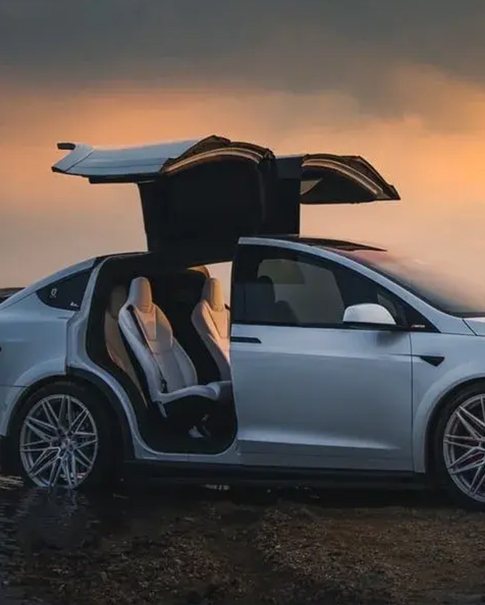
Eine Motor-Unterfahrschutzplatte ist eine schützende Metall- oder Kunststoffplatte, die an der Unterseite des Fahrzeugchassis montiert wird. Sie bedeckt die Unterseite des Motors, die Ölwanne des Getriebes, den Hilfsrahmen und Teile der vorderen Aufhängung. Ihre Kernfunktion besteht darin, direkte Stöße durch Straßenhindernisse wie Steine, Bodenschwellen und Schlaglöcher abzufangen, wenn das Fahrzeug über unebene Straßen fährt oder plötzlich auf Straßenschutt trifft.

BEREIT FÜR EIN ABO?
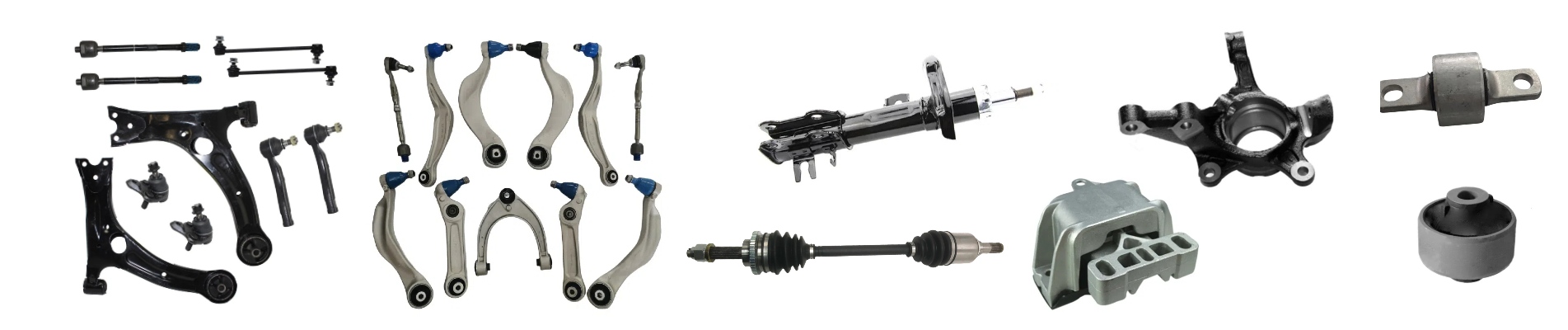
SMK Unternehmen s liefern Autoteile für unten Auto-Ersatzteile : Japanisches Auto: Toyota, Honda, Nissan, Mazda, Subaru, Mitsubishi, Suzuki, Isuzu ... Europäisches Auto: BMW, Benz, VW, Audi, Skoda, Porsche, Maserati, Renault, Peugeot , Citroen, Fiat, Opel, Land Rover ... Amerikanisches Auto: Tesla, Ford, Chrysler , Cadillac , Buick , GMC, Chevrolet, Lincoln, Fiat, Dodge, ... Koreanisches Auto: Hyundai, Kia, Daewoo ... Chinesische Autos: Chery, Geely, GreatWall, Haval, BYD, Changan, JAC ... Wir liefern Teile weltweit: USA, Kanada, Europa, Mexiko, Kolumbien, Korea ... Wir sind führender Lieferant für die folgenden Autoteile: Aufhängungs- und Lenkungsteile (Querlenker, Spurstange, Stabilisatorverbindung usw.) Tesla Aftermarket P Kunst. Motor M Montage/Übertragung M Menge SMK Auto Teile ist speziell für die Autoreparatur konzipiert Teile Unsere Fahrwerkskomponenten werden strengen Tests unterzogen, um den komplexen und wechselhaften Straßen- und Klimabedingungen problemlos standzuhalten. Die Produkte bieten nicht nur außergewöhnliche Haltbarkeit, sondern auch umfassende Kompatibilität und hervorragende Stabilität und gewährleisten so eine langfristige und zuverlässige Unterstützung Ihrer Fahrzeuge. Viele ausländische Kunden pflegen langjährige Partnerschaften mit uns. Dank unserer kontinuierlichen Kundengewinnung vertrauen uns viele ausländische Kunden die Produktion verschiedenster Autoteile an. Um den vielfältigen Kundenbedürfnissen gerecht zu werden, erweitern wir aktiv neue Produktlinien. Wir halten uns an hohe Fertigungsstandards und stellen sicher, dass jedes Produkt die strengen Sicherheits- und Haltbarkeitsanforderungen verschiedener Märkte erfüllt. Wir laden Kunden weltweit ein, sich für unsere Produkte zu entscheiden und so Ihren Fahrzeugen besseren Schutz und bessere Leistungssteigerungen zu bieten! SMK ist stets kundenorientiert, verbessert kontinuierlich die Produktqualität und das Serviceniveau und ist bestrebt, für globale Kunden einen Mehrwert zu schaffen. Auch in Zukunft werden wir dem Grundsatz „Qualität zuerst, Kunde zuerst“ folgen und Hand in Hand mit unseren Partnern zusammenarbeiten, um eine bessere Zukunft zu schaffen.
 IPv6-Netzwerk unterstützt